

The thrill of risk understanding the psychology behind gambling
The Allure of Uncertainty
The psychology of gambling is deeply intertwined with the allure of uncertainty. From the excitement of placing a bet to the anxious anticipation of the outcome, these moments create a unique emotional experience. The unpredictability of gambling taps into fundamental human instincts, offering a rush that is difficult to replicate in day-to-day activities. This thrill often stems from the brain’s reward system, which releases dopamine in response to exciting risks, leading to a heightened state of euphoria even when losses occur.
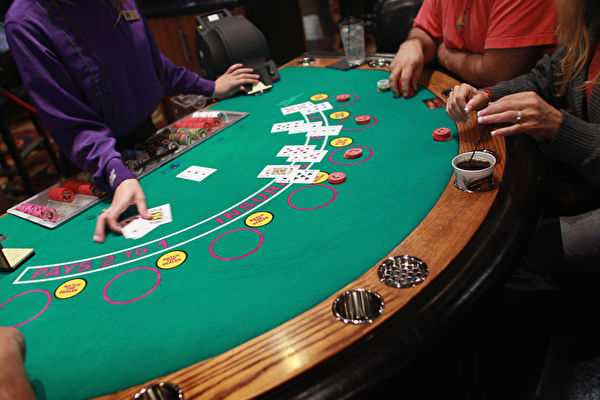
Many individuals are drawn to the thrill of risk because it gives them a sense of control over an otherwise chaotic world. The act of gambling can provide a feeling of empowerment, as players believe their decisions may influence the outcome. Occasional visits to websites like plinko-app.co.com/ can add to this perception, even when statistically, luck plays a more significant role. This illusion of control can enhance the addictive nature of gambling, as individuals seek repeated experiences of this euphoric rush.
The Role of Emotion in Gambling
Emotions play a crucial role in gambling behaviors, often dictating decisions more than rational thought. For many, the excitement of winning is accompanied by a range of emotions, from exhilaration to anxiety. This emotional rollercoaster can lead to impulsive gambling decisions, as players chase the high of a past win or attempt to recover from a loss. The emotional investment in each gamble can distort judgment, making it challenging to recognize when to stop.
Moreover, the social environment of gambling can amplify these emotional experiences. Whether in a bustling casino or online, the ambiance and collective energy influence individual moods and decisions. The social aspect of gambling, where players share in the highs and lows of each game, can create a sense of camaraderie that further entices individuals to engage in risk-taking behaviors.
The Psychology of Addiction
The intricate relationship between thrill-seeking and addiction is paramount in understanding gambling behaviors. While many engage in gambling as a form of entertainment, some individuals might develop problematic patterns. The same dopamine release that makes the experience exhilarating can also lead to compulsive gambling habits, as the brain starts to associate gambling with emotional reward.
This cycle can often spiral out of control, as players continue to gamble in hopes of recapturing the initial thrill. Understanding the psychology behind this addiction is crucial for both gamblers and their support systems, as it can pave the way for more effective coping strategies and interventions. Recognizing the signs of gambling addiction is vital for fostering healthier relationships with risk and reward.
Understanding Gambling Through Empathy
By examining the psychological aspects of gambling, we not only learn about the thrill of risk but also develop a deeper empathy for those affected by gambling addiction. Each person’s motivations and emotional attachments to gambling can vary widely, making it essential to approach this subject with sensitivity. Understanding the nuances of these experiences can lead to better support systems for individuals grappling with their relationship with gambling.

Education and awareness are key in demystifying the psychological factors at play. By fostering open dialogues and promoting understanding, we can create a safer environment for individuals who enjoy gambling as a pastime while also addressing the challenges faced by those who may struggle with addiction. Crafting narratives that reflect the real experiences of individuals can help build connections and support while shedding light on a complex issue.